
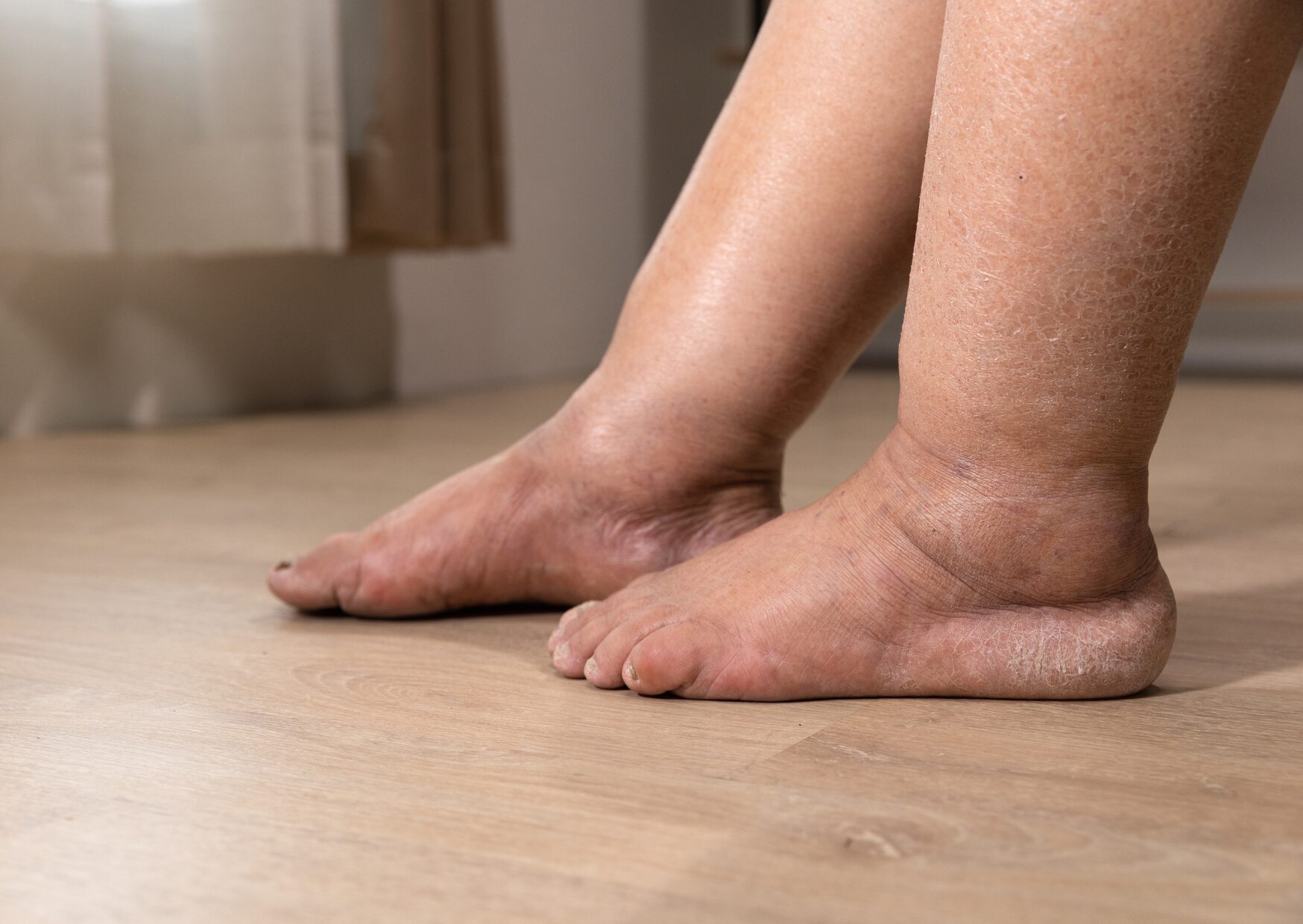
Treating Summer Oedema: How Duopody© Supports Sluggish Veins and Fluid Balance
By Dorothy Kelly | CAREA Blog Contributor
You know that feeling when it’s hot outside and your body just feels… different? Well, there’s actually a lot going on under the surface! Summer heat puts your circulatory system to work in ways you might not even realise. You might feel heavy legs, sluggish veins, ankles that puff up like wee cushions or fatigued.
Why Heat Makes Your Veins Sluggish
When the weather is warm, several natural changes occur within the body:
Vasodilation
Heat causes your veins and blood vessels to relax and widen (vasodilation). This helps release heat from the body, but it also means blood returns to the heart more slowly.
Gravity
Gravity naturally pulls blood towards the lower limbs. When veins are more relaxed, blood can collect more easily in the legs and feet.
Venous Valves Work Harder
Tiny one-way valves inside your veins help move blood upwards towards the heart. During hot weather these valves often have to work harder because there is a greater volume of blood within the veins.
Fluid Movement
Heat also encourages fluid to move from the blood vessels into the surrounding tissues. This can result in swelling around the ankles, feet and calves.
What “Heavy Legs” Really Mean
That dragging, tired feeling in your legs is often your body’s way of saying:
“I’m trying to move blood uphill, but everything is a little more relaxed than usual.”
Although uncomfortable, this is a normal response to warm weather for many people.
Who Is More Likely to Experience It?
Heavy legs and swelling are particularly common if you:
• Stand for long periods.
• Sit for long periods.
• Are pregnant.
• Have varicose veins.
• Are dehydrated.
• Are overweight or obese.
• Have naturally slower venous return.
• Are over the age of 65.
• Have cardiovascular disease.
• Work outdoors.
• Participate in regular sporting activities, particularly endurance exercise.
Why Swelling Happens
Swelling (oedema) occurs when excess fluid moves from the blood vessels into the surrounding tissues.
During hot weather this happens more easily because blood vessels widen and become slightly more permeable. If circulation is already slower than usual, this excess fluid may not be cleared as efficiently, leading to swollen ankles, feet and lower legs.
What’s Happening Inside the Body?
Here’s the physiology explained in simple terms:
• Veins relax in the heat. As veins widen, blood flows more slowly, particularly in the lower limbs.
• Gravity pulls blood downwards. Relaxed blood vessels make it easier for blood to pool in the legs and feet.
• Venous valves work harder. Tiny one-way valves must work against increased blood volume to return blood towards the heart.
• Fluid moves into surrounding tissues. Increased vessel permeability allows more fluid to leave the circulation, contributing to swelling around the ankles and feet.
Heat and the Immune System
Periods of extreme heat place additional stress on the body. Research suggests that heatwaves may be associated with a greater risk of some infections, partly because the body is working harder to regulate its temperature.
High temperatures may also temporarily increase the permeability of the gut lining in some people, which can contribute to inflammation and immune activation.
Who Notices These Changes Most?
These effects are often more noticeable in:
• Older adults.
• People living with heart or kidney conditions.
• People who work outdoors.
• Anyone who becomes dehydrated easily.
Understanding these normal physiological changes helps explain why many people experience heavier legs, swollen ankles and increased fatigue during the warmer months.
Supporting Healthy Circulation: Simple Self-Care
Many people find that a few simple habits can make a noticeable difference during the warmer months.
Stay Well Hydrated
Aim to drink small amounts of water regularly throughout the day rather than waiting until you become thirsty. Good hydration helps maintain healthy blood volume, supports circulation and assists the kidneys in regulating fluid balance.
If you are spending long periods in the heat, exercising, or sweating heavily, replacing electrolytes may also be beneficial. A balanced diet is usually sufficient, although some people may choose to use an appropriate electrolyte drink or add a small pinch of natural sea salt, such as Maldon or Celtic sea salt, to their water if suitable for their individual health needs.
Keep Moving
Movement acts like a natural pump for the veins. Simple activities such as:
• Walking.
• Gentle calf raises.
• Ankle circles.
• Dorsiflexion and plantar-flexion exercises.
• Stretching throughout the day.
all help encourage blood and lymphatic flow back towards the heart.
For those who enjoy it, gentle rebounding may also support circulation and lymphatic movement.
Cool the Legs
Cooling the lower legs with a cool shower, foot bath or damp towel may help constrict blood vessels slightly, reducing the sensation of heaviness and helping relieve swelling.
Elevate the Legs
Whenever possible, raise your feet above the level of your heart for a short period.
This allows gravity to assist the return of blood and lymphatic fluid towards the body’s core.
Even elevating your legs for 15 to 20 minutes after work or before bed can make a noticeable difference.
Practise Deep Breathing
Slow, diaphragmatic breathing encourages relaxation by activating the parasympathetic nervous system.
The movement of the diaphragm also helps support venous and lymphatic return from the abdomen and lower limbs, providing another gentle way of encouraging healthy circulation.
Limit Alcohol
Alcohol can contribute to dehydration, particularly during hot weather.
Alternating alcoholic drinks with water can help reduce this effect.
Dry Brushing
Many people enjoy dry brushing as part of their self-care routine.
Although evidence is limited, gentle brushing towards the heart may help stimulate superficial lymphatic flow, improve skin awareness and encourage regular self-care.
Wear Compression Socks if Appropriate
Graduated compression socks provide gentle external support to the veins, helping reduce blood pooling in the lower legs.
They can be particularly helpful during travel, prolonged standing or long periods of sitting. Compression garments should be correctly fitted and may not be suitable for everyone, so medical advice should be sought where appropriate.
A Final Thought on Hydration
By the time we feel thirsty, our bodies are already beginning to signal the need for more fluid.
Encouraging clients to sip water little and often throughout the day is usually easier than trying to drink large amounts all at once. Regular hydration helps support healthy circulation, kidney function, temperature regulation and overall wellbeing.
Combined with gentle movement and regular self-care, these small habits can make a significant difference to how comfortable the legs feel during the warmer months.
How Duopody© May Support Clients During the Summer
Summer presents additional challenges for the circulatory and lymphatic systems, particularly in those who are already prone to oedema, heavy legs or venous insufficiency.
Duopody© aims to work alongside the body’s natural physiological processes by encouraging relaxation and supporting healthy circulation through carefully applied bilateral reflex
stimulation.
Potential Benefits of Duopody©
Duopody© may help to support clients by:
• Encouraging healthy venous return.
• Supporting lymphatic drainage reflexes.
• Promoting deep relaxation through activation of the parasympathetic nervous system.
• Supporting healthy microcirculation through improved autonomic balance.
• Encouraging greater awareness of hydration and self-care.
• Complementing the body’s natural regulation of fluid balance during warmer weather.
For many clients, the combination of regular hydration, movement, appropriate self-care and routine Duopody© sessions provides the greatest benefit.
Clinical Observations During Treatment
Working with clients who experience oedema or increased swelling during hot weather can be particularly interesting, as visible changes may often be observed throughout a treatment session.
At the beginning of each appointment, I encourage clients to drink a small amount of water. In my clinical practice, I find this helps ensure they begin treatment well hydrated, particularly during periods of warmer weather.
As treatment progresses, I often observe gradual changes in the tissues of the feet. Areas that initially feel firm or congested frequently become softer, more supple and increasingly flexible as the session continues, particularly while working the circulatory and lymphatic reflex routines.
These are observations from my own clinical practice and may vary from one individual to another.
What Clients Commonly Report
Following treatment, many clients tell me they notice:
• Lighter-feeling feet.
• Reduced swelling around the ankles.
• Legs that feel more comfortable.
• Shoes fitting more comfortably.
• Less tension and tightness in the lower limbs.
An increased sense of relaxation and wellbeing.
Individual experiences naturally vary, and no specific outcome can be guaranteed.
Many clients also report that regular treatments help them feel more comfortable throughout the warmer months, particularly when combined with simple daily self-care measures.
Supporting Clients After Treatment
After each session, I encourage clients to continue sipping water regularly over the following few days, particularly during periods of hot weather.
Rather than waiting until they become thirsty or drinking a large amount in one go, small, regular drinks are often a more comfortable and sustainable way to maintain hydration.
Good hydration supports healthy blood volume, kidney function and temperature regulation, while complementing the body’s normal circulatory and lymphatic processes.
I also remind clients that treatment works best as part of a wider self-care approach that includes regular movement, appropriate exercise, leg elevation when needed and maintaining good hydration.
A Whole-Body Approach to Summer Wellbeing
Summer should be a season to enjoy, not one spent battling heavy, aching legs or swollen feet.
Understanding how heat affects the body allows clients to make simple lifestyle adjustments that support circulation, reduce discomfort and improve overall wellbeing.
Combined with sensible hydration, regular movement and appropriate self-care, Duopody© offers a gentle, relaxing approach that may help support the body’s natural ability to adapt to the additional demands of warmer weather.
By empowering clients with practical advice alongside treatment, we encourage lasting habits that support comfort, mobility and confidence throughout the summer months.

About Dorothy (Dotti) Kelly
Dotti Kelly’s life work is centered around care, education, and the profound power of reflexology. After 46 years working within NHS Primary and Secondary care management, she channeled her deep understanding of human health into her 21-year practice as a Reflexologist and Naturopath in Belfast and Co. Down.
A cornerstone of the advanced reflexology community in Ireland, Dotti has been teaching at the Level 5 standard for over a decade. As a CAREA Licensed Academy Owner and Registered CPD Tutor, she leads the OTHM Level 5 course in Belfast and oversees its expansion into the Republic of Ireland with tutor Jenny McKeever. Whether she is supporting a client through a fertility journey, utilising advanced Orthopody© techniques, or mentoring future therapists, Dotti embodies the passion, standards, and heart of a true master practitioner.