
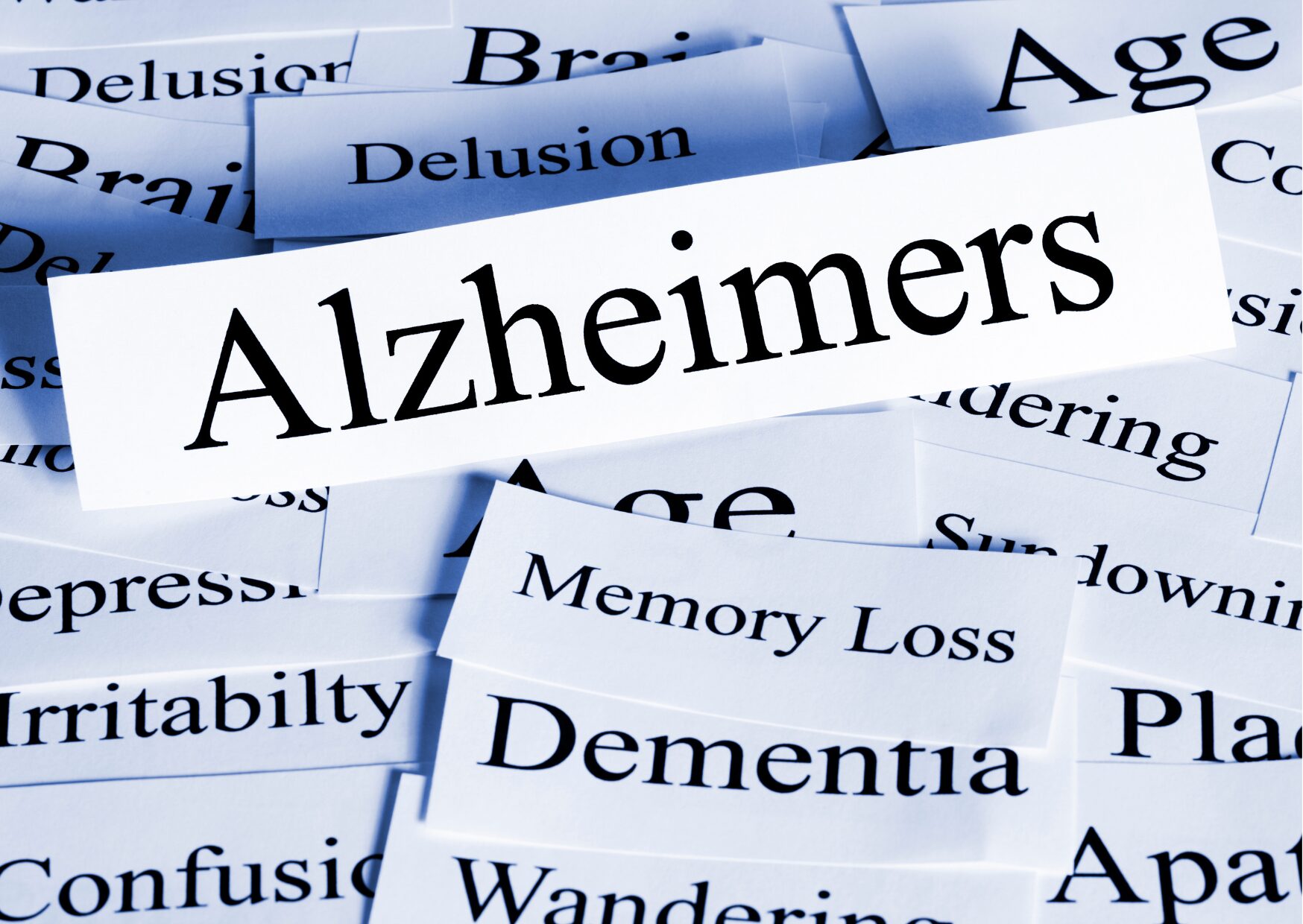
Navigating Alzheimer’s Disease: Understanding the Signs, Supporting Carers, and the Duopody© Approach
By Sooze (Sue Alma Evans) | CAREA Blog Contributor
Alzheimer’s Disease:
Hi and welcome back to the CAREA blog covering Sooze’s insights to having treated clients … and the carers … who look after those with Alzheimer’s Disease.
This is the most common place of the conditions collectively called dementia. Sadly, there are not many people in my own life who do not personally know, or know of, someone with dementia. This particular blog will focus on helping to understand what is happening and what to look out for when someone has Alzheimers, what is happening to those they live with and therefore most often end up caring for, as well as how a Duopodist might approach treating the person with the disease and their carers.
A good friend, fellow Reflexologist and former nurse whose name is Wendy Van Simpson, has supplied me with written copy of lectures she has given on Alzheimers and so what comes next is a mixture of our combined knowledge ~ two heads really are better than just one!
Things to know:
– Early diagnosis is difficult as changes are often missed as so subtle and gradual and
1. blood tests are evaluation tools rather than a diagnostic standalone test
2. Brain scans often not effective
– However, if suspected then still have blood tests, brain scans, X-Ray, ECG and urine tests if only to rule out other conditions.
– We bang on all the time about the need for water don’t we? With good reason of course, and dehydration and resulting constipation can affect mental alertness.
Early Signs and Symptoms:
– Dressing oddly, such as not matching shoes
– Difficulty navigating a remote control
– Not being able to do simple tasks such as making a cuppa
– A previously empathetic person may start to become detached ~ unfeeling / less responsive
– No longer able to ‘read’ a clock
– Hiding food
– Putting things in unusual places such as clothes into the dishwasher, food into the washing machine etc
– Becoming forgetful eg not locking the front door when going out
– Short term memory deteriorating
All of the above can be happening in a household and be casually dismissed as unimportant and even humorous, particularly if the person is getting on in years as memory loss is a perfectly natural part of the aging process, but importantly, not everyone develops dementia. But it is easy to see why the above list could be missed as indicators as many of them can apply to someone without alzheimers … in this case me, Sooze, who has never mastered the intricacies of a remote control and is often dressed oddly and forgets all the time and I even have to retrace my steps sometimes to see if I can remember what it was I intended to do!
Development in Signs and Symptoms:
– Becoming anxious for seemingly no reason
– Withdrawing from reacting, responding to daily life events
– Pacing when would normally sit
– Hygiene habits changing and often dislike washing hair
– Accusing others of having stolen from them
– Problems remembering important dates, birthdays etc.
– Sentences and words becoming jumbled
– Becoming agitated for no apparent reason and this can include physical and verbal aggression
How to respond to the stages of Alzheimers:
Stage One
– Approach your GP to ask for help in their diagnosis
– Power of Attorney given to an appropriate other person
– Allow the person to stay in familiar surroundings as much as possible
– If the person was a decision maker and bill payer, these should be assigned to a trusted person
– Anything within the home that may pose as dangerous e.g. food preparation and cooking, boiling the kettle etc., should be carried out by someone else
Stage Two
As capacity for their previous life and habits deteriorate even further signs and symptoms may include things like falling, not eating, getting lost in familiar places, wanting to sleep at unusual (for them) times
It becomes more important that they are encouraged to continue with all the things and activities they used to participate in eg listening to music, doing sudoku / crosswords etc.
– Encourage as much socialising as possible
– Encourage exercising in whatever form so that the heart muscle works, as of course, what is good for the heart is good for the brain and the brain uses 20% of the oxygen in the whole of the body!
Stage Three
Is understandably the most challenging as behaviours can now include some, if not all of the following and if they do, then external support and help/care may be required:
– Delusions
– Hallucinations
– Screaming
– Swearing
– Hitting, punching
– No longer able to maintain their own physical hygiene
– No longer able to feed themselves
A first port of call for advice, support and understanding of what is happening is the magnificent www.alzheimers.org.uk
What is happening during the onset and progression of Alzheimers:
The biggies are Amyloid Plaques and Tau Tangles and rather than writing here what they are and what they do, your best option is to head to the research section on the alzheimers website – here it is again www.alzheimersresearchuk.org Sooze suggestion is that you cast your mind back to your APaP lessons and learning about synapses, dentrites and neurons and refresh your own memory on their functions! The outcome of the amyloid plaques (neuro) and tau tangles (proteins) becoming damaged, is that toxicity increases which in turn interferes with and creates destructive biochemical pathways.
How to respond to someone with Alzheimers:
– From the outset be mindful of your own body language, your facial expressions, tone of your voice, speaking slowly then introduce yourself
– Be patient
– Ask as few questions as possible
– Ask questions simply
– Apply the 90 second rule, which is to wait these 90 seconds for an answer after posing a question
– Forgetting is part of the disease so if they forget your name, who you are and what you are doing, there is no need to insist that they remember and you can say something along the lines of ‘I am someone who cares about you and I wanted to come and visit you and rub your feet and/or hands’. Keep the explanation as simple and short as possible.
– Repetition is also a norm, so if you know something else about them you can distract by saying something like ‘Remember the holiday to France?’
– ‘Therapeutic fibbing’ is allowed as your intention is to trigger happy memories rather than create stress. For example, if they asked about their dead Mother, you could say she is fine and change the subject.
– Delusions and hallucinations will reflect their fixed beliefs and nothing you will say will alter them, so do not attempt to change what they believe
– Do not change their environment, so do not have ‘reflexology paraphernalia’ with you and if possible leave your coat, bags somewhere else
– Remember your professional boundaries and if you feel that any situation is beyond your expertise, then seek help and advice
How to treat someone with Alzheimers:
– Be very aware of introducing your hands to their feet and/or hands slowly and at all times watching that they are ok and happy for you to touch them
-Be ready to treat for 30 seconds or 30 minutes!
-If they are resistant to you touching them, you can hover over their hands and try treating the aura instead
-The ‘biggy’ has to be the limbic system, which is covered in great detail in your NEPIP manual from CAREA (Neuro-Endo-Psycho-Immuno-Pody for those who may have forgotten what the anagram stands for!) Focus with greater intent on the areas that control the relevant behaviours and memory functions associated with Alzheimers. You may also like to use Conscious Intention specific to your knowns about the client, and maybe see if just a few words are used whether they can say them with you … slowly! You may like to repeat working the nervous, endocrine and immune system IF your client is calm and happy for you to continue treating.
– Get your PodyCharts text book out and pay close attention to all of the brain area, holding, CALM’ing each relevant area with precision and focussed intention
– Above we established the importance of maintaining heart health, so Circulatory system and when you are moving up to and across the brain areas on both feet, repeat this in layers e.g. tops of the toes, then middle of the toes, then base of the toes, then back to in and out of the heart and into the rest of the body, remembering the importance of movement of oxygenated blood flow.
– Follow this with the Urinary system
– Constipation a common ailment, so lovely slow and rhythmic movements, particularly through the small and then the large intestine areas
This is not an exhaustive list by any means, but does cover what will probably be the common symptoms for those with Alzheimers
How to treat the carers of those with Alzheimers:
You will of course treat these clients with an individualised treatment plan specific to their needs. What they will probably need, is the opportunity to have ‘an hour to themselves’ and the chance to be on the receiving end of some TLC, but what will be really important is that you have an understanding of what they have been through when someone they know well, or love dearly has Alzheimers Disease.
Onwards and Upwards everyone … life is challenging, but also beauty full.
See you next month ~ with Heart Hugs from Sooze

About Sue Alma Evans
Sue Alma Evans is a pioneering reflexologist, clinical innovator, educator, and author. For over three decades, her work has pushed the boundaries of holistic therapy, bridging the gap between precise anatomical science and deeply intuitive healing.
As a leading voice in the profession, Sue is the visionary founder behind the UK’s first Level 5 Reflexology qualifications (including the OTHM Diploma in Applied Reflexology for Integrated Medicine) and the co-creator of CAREA Reflexology Academies. She is the innovator behind Duopody© – a groundbreaking technique that works on both feet simultaneously to mirror the body’s systems and OrthoPody©, a specialised approach focusing on fascia and muscle chains born from her years working with sports injuries and rugby clubs.
Driven by a passion for clinical excellence and lifelong learning, Sue is also the co-author of The PodyCharts©, a definitive 92-page collection of highly detailed, anatomically precise foot maps endorsed by medical doctors and industry legends alike. Through her teaching, writing, and community building, Sue dedicates her life to empowering the next generation of practitioners and honouring the body’s innate, incredible ability to heal itself.